What Remains: AI, Admissions, and the Things We Cannot Fabricate
by Eli Shavalian
Every year, the High Holidays arrive as a kind of interruption — a pause built into the calendar that asks us to slow down before we speed up again. This year, I'm especially grateful for that interruption, because the conversation around AI in education and college admissions has moved fast, and speed is not always the same thing as clarity. Parents worry that AI will threaten their students' future, students worry that everyone else is using it and getting ahead, or that colleges will reject them outright for even touching it. Everyone is reckoning with AI differently, and nearly everyone, including the colleges themselves, is still figuring it out.
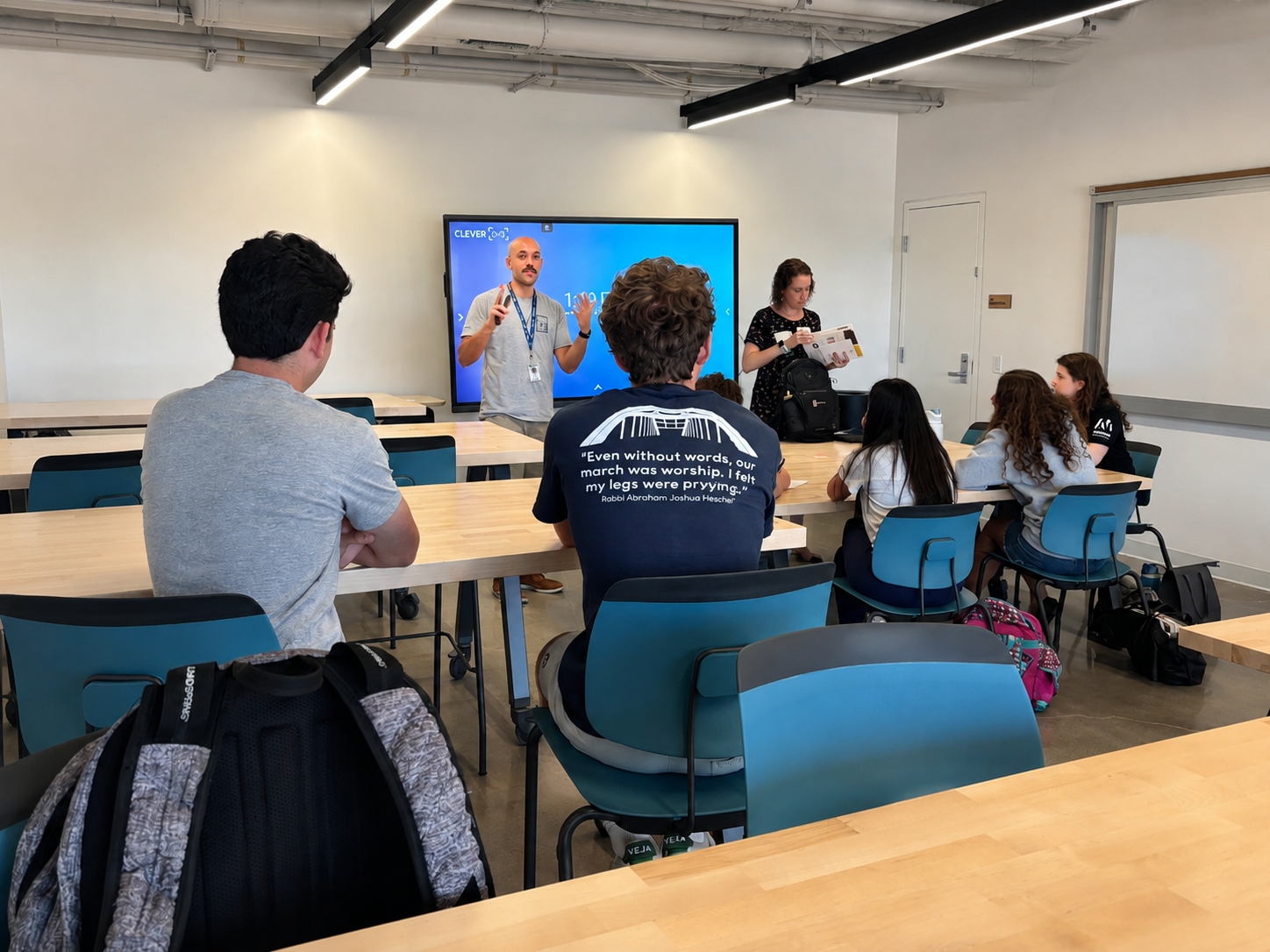
What I know from sitting inside this process every day is that the core of college admission has not meaningfully changed. Admission professionals are still trying to understand who each child is. Their curiosity, their quirks, the tensions they grapple with, the way they move through the world. And the only place in an application where a student can speak entirely for themselves is in their writing. Everything else, from the transcript to the recommendations to the activity list, speaks about them. The essays speak as them, and AI can’t change that, because it can’t fabricate lived experience. It can’t manufacture the specific texture of a student's story, the particular way they've wrestled with a hard question, or the genuine insight that comes from having actually lived something. Colleges know this, and increasingly they are using every available tool not to get through applications faster, but to find their way back to that authentic voice more reliably.
It is also worth remembering that this tension is not new. For decades, the outside essay coach, the private tutor, or the deeply involved parent have all raised the same questions about whose voice is actually on the page. What has changed is access. AI is more readily available than a $300 per hour consultant, but the underlying challenge is identical, and colleges have always found their way back to the student. They are doing so again.
This work is personal for me. I navigated the college process largely on my own. My parents were born in Iran, and the landscape of American higher education was not something our family knew how to decode. I leaned on friends, cousins, and older siblings, and I felt the absence of someone who truly understood my specific context. That experience lives in how I counsel today, is why I believe so strongly in meeting students where they are, and why I try to hold both authority and humility at once. I know what I know. I also know that these students will inhabit a world we cannot fully picture, and that our job is not to hand them answers but to help them become people who can find their own. The moments that make that clearest are rarely when everything is going well. They are in the moments of hardship and tension and challenge, when we watch a student draw on something deep within themselves and rise to meet it.
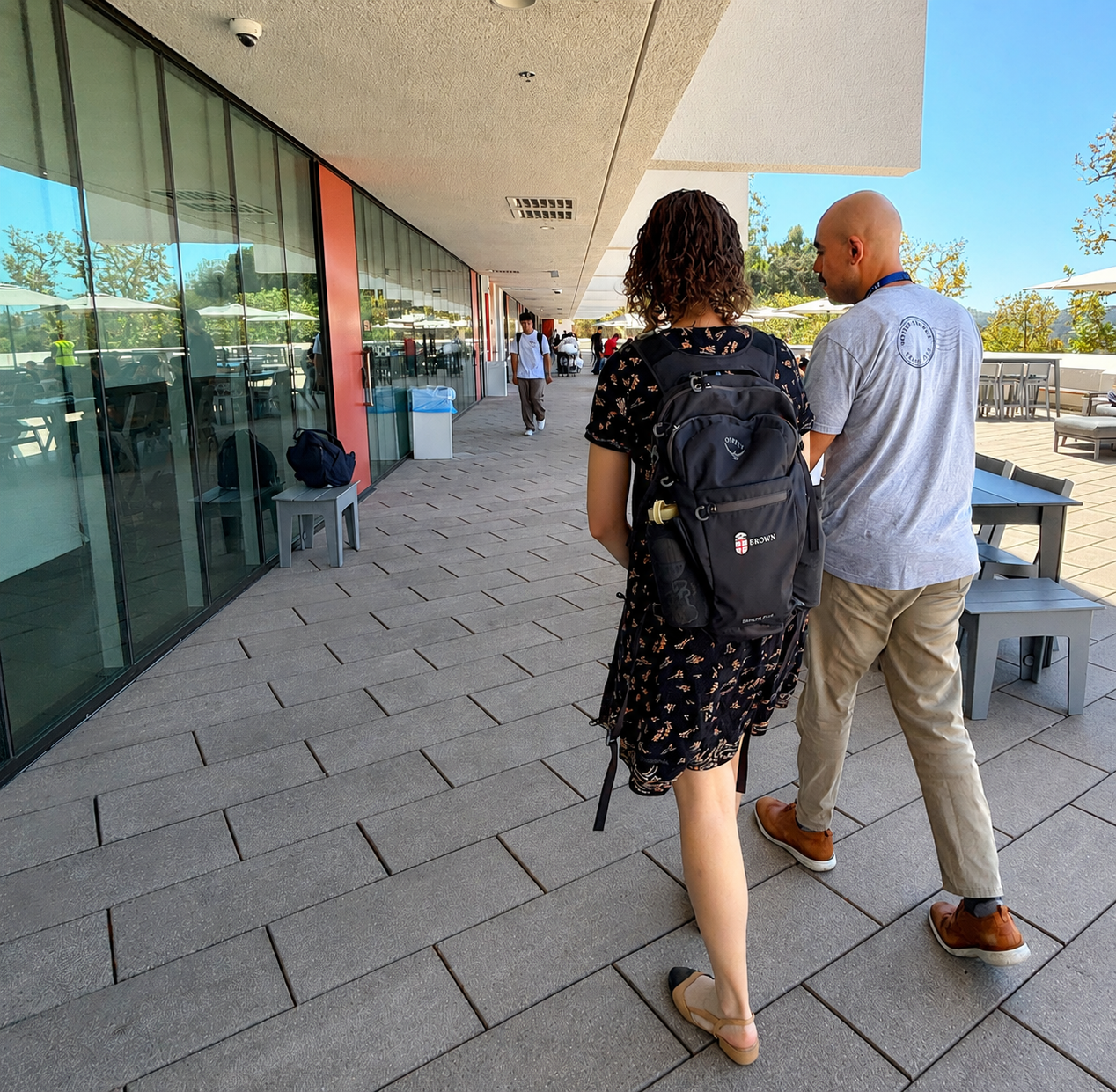
As we enter the High Holiday season, I find myself thinking about renewal not as reinvention, but as return. The Hebrew word teshuvah (repentance) comes from the root ש.ו.ב, meaning “to return” or “to turn back.” Teshuva, then, invites us not simply to become someone new, but to return—to ourselves, to our community, to our relationships, and to God. Rosh Hashanah asks us to begin again; not by discarding what came before, but by reconnecting with what is constant beneath the noise, to go back to our core. The tools around us are changing faster than most of us can track, but the values that matter in this process have not changed at all: the willingness to reflect honestly, the courage to be known, the capacity to sit with uncertainty and still move forward. Those values do not live in an application, they live in the students themselves.

So when parents ask me what they can do, my answer is simpler than they expect: stop worrying about what you can’t control. Once an application leaves our hands, it belongs to the process. What doesn’t leave, what travels with your student into every room they will ever enter and every conversation they will have, is who they are and how they've learned to articulate it. Create those spaces. At the dinner table, on the drive to school, at the Shabbat table. Ask what matters to them, what they're grappling with, what kind of person they want to be. That quiet, consistent, deeply human work is what no technology will ever replicate. And it is what will allow them, in ways we can’t yet imagine, to surpass us.
About the Author
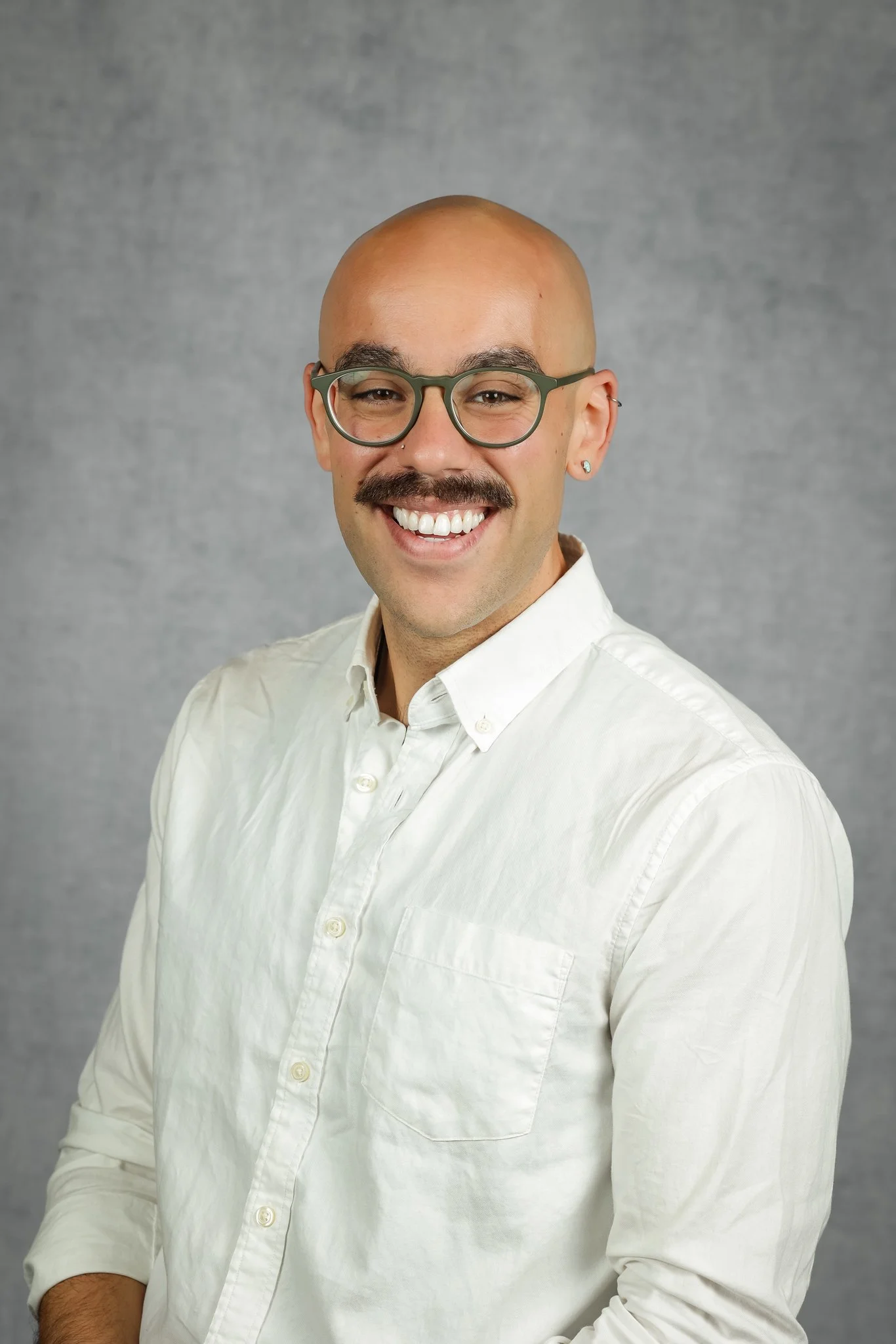
Eli Shavalian is the Director of College Counseling & Academic Planning at Milken Community School. Eli spent the formative years of his career working in Undergraduate Admission, first at Yeshiva University followed by the University of Southern California. Eli holds a BA in Psychology from Yeshiva University and an MPA (with an emphasis in Higher Education) from the University of Southern California.
